
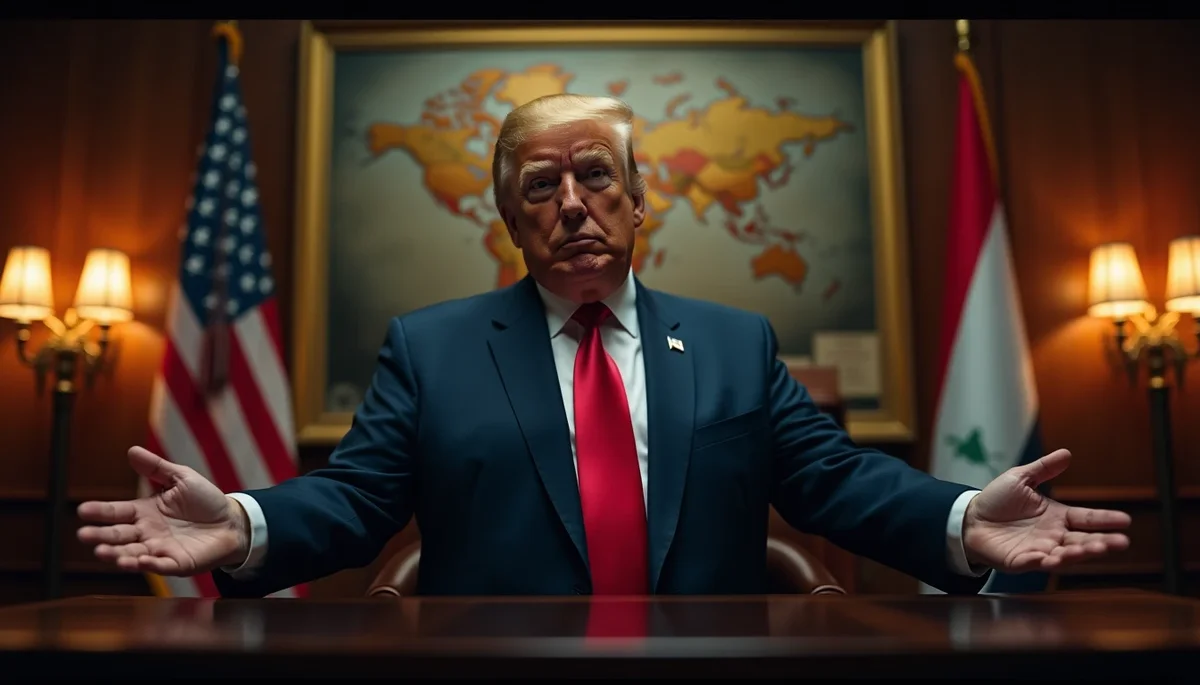
President Donald Trump is preparing to announce the transition to Phase II of the Gaza ceasefire deal before Christmas, according to U.S. officials familiar with the negotiations. The announcement, expected within the next three weeks, will unveil a 'Board of Peace' governance structure personally chaired by Trump, marking an unprecedented American role in post-conflict Gaza administration.
The ambitious timeline comes as violence continues to plague the fragile ceasefire. Israeli forces fired artillery shells into southern Syria on Thursday, while Palestinian sources report ongoing airstrikes across Gaza that have killed at least six people, including women and children. In a significant blow to emerging security structures, Yasser Abu Shabab, the prominent leader of the anti-Hamas Popular Forces militia operating near Rafah, was shot dead while reportedly attempting to mediate a local dispute. His death removes a key figure in the nascent effort to establish non-Hamas governance in Israeli-controlled areas of southern Gaza.
Former British Colonel Richard Kemp offered a stark assessment of the ceasefire's troubled implementation, stating that Hamas bears responsibility for all violations and declaring, 'We've come to a point where Hamas has got to be finally dealt with.' The sentiment echoes growing frustration among Israeli officials and Gaza border community leaders, who protested outside Prime Minister Netanyahu's Jerusalem office on Thursday over funding cuts they say undermine rehabilitation efforts in areas devastated since October 7.
The human cost of the conflict continues to mount on both sides. Itzik and Talik Gvili, parents of slain Israeli police officer Ran Gvili, spoke to the BBC about their agonizing wait for Hamas to return their son's remains. 'We really hope that all people in the world understand,' they said, insisting the peace deal cannot progress until the last hostage's body comes home. Meanwhile, Egypt's Foreign Minister has publicly opposed any division of the Gaza Strip, adding that any international force deployed should maintain peace rather than enforce it—a distinction that may complicate Trump's governance plans.
Analyst Amir Tsarfati, writing for Harbingers Daily, places these developments within a broader biblical framework, noting that the convergence of pressures on Israel—from ceasefire violations to domestic political challenges facing Prime Minister Netanyahu—reflects patterns described in Ezekiel 38 regarding end-times conflicts involving Israel and surrounding nations. The involvement of Syria, Lebanon, and Iran-backed proxies in the regional instability adds weight to such interpretations among prophecy watchers.
As Trump's Christmas deadline approaches, the fundamental questions remain unresolved: Who will govern Gaza after Hamas? How will security be maintained? And can any international framework succeed where previous efforts have failed? The 'Board of Peace' concept represents a dramatic departure from traditional peacekeeping models, placing direct American leadership at the center of Gaza's future. With anti-Hamas militia leaders being assassinated, ceasefire violations mounting daily, and regional powers like Egypt drawing red lines, the path from Phase I to Phase II appears fraught with obstacles that no amount of diplomatic optimism can easily overcome. Watch for Netanyahu's response to the Trump timeline and whether Hamas signals any willingness to participate in governance discussions—or whether the next three weeks bring escalation rather than resolution.