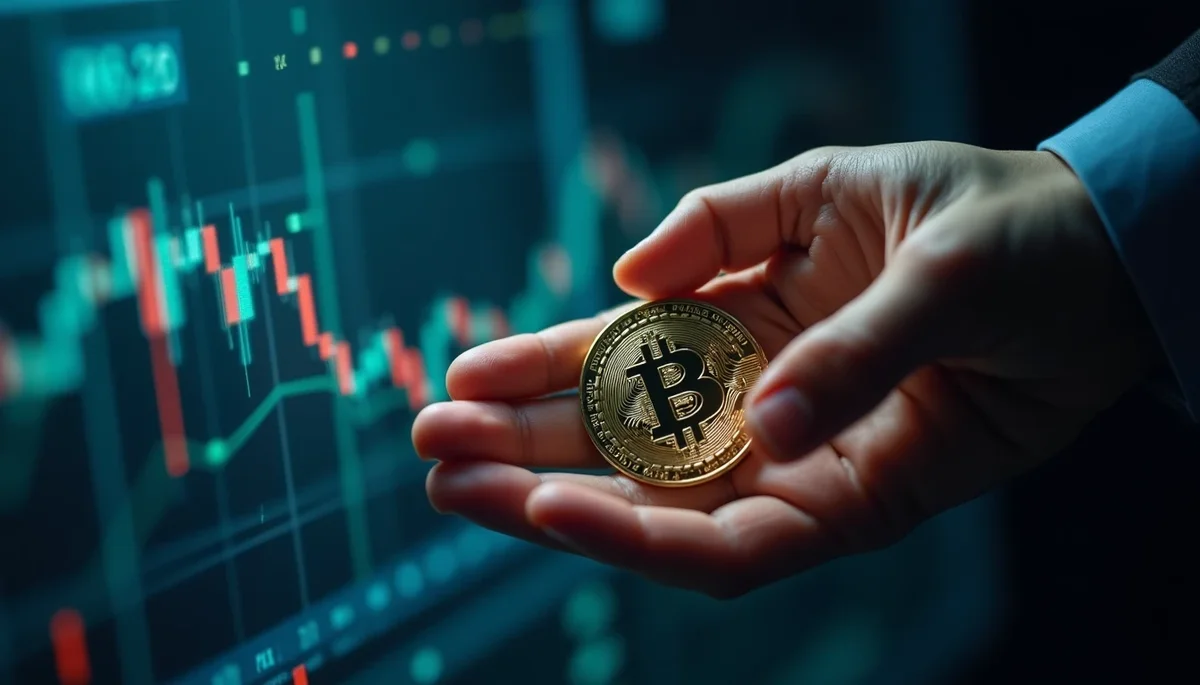
Tether, the company behind the world's largest stablecoin USDT, is exploring stock tokenization as part of an ambitious $20 billion fundraising effort aimed at cracking the American market. The move comes as the crypto giant seeks to provide liquidity options for investors after intervening to prevent existing shareholders from selling their stakes at steep discounts. According to Bloomberg, Tether is in active discussions with major financial firms about tokenizing its equity—a development that would mark a significant milestone in the convergence of traditional finance and blockchain infrastructure.
The timing is notable. UK lawmakers are simultaneously pushing back against the Bank of England's proposed cap on stablecoin holdings, warning that restrictive policies could undermine Britain's ambitions to become a global crypto hub. A cross-party coalition sent a letter to Chancellor Rachel Reeves urging opposition to the central bank's stance. Meanwhile, Singapore Gulf Bank announced zero-fee stablecoin minting on Solana at the Breakpoint 2025 conference in Abu Dhabi, and Figure Technology filed its second IPO application seeking SEC approval to issue equity directly on a public blockchain. The infrastructure for tokenized finance is being built in real time, brick by brick.
Anthropics chief scientist Jared Kaplan offered a sobering counterpoint to the technological optimism this week, warning that humanity is rapidly approaching a critical inflection point with artificial intelligence. The choice remains ours—for now, Kaplan told The Guardian, suggesting that ceding control to autonomous systems could prove catastrophic. His comments arrive as nations scramble to position themselves in the AI race: South Korea joined the United States, Australia, Japan, and Britain in signing the Pax Silica declaration, committing to build trusted supply chains for AI development and critical minerals.
On the geopolitical front, Britain faces uncomfortable questions about its relationship with international justice. The UK government declined to comment on ICC prosecutor claims that Britain threatened to defund the International Criminal Court—allegations that surface amid ongoing tensions over the court's actions regarding Israeli officials. Germany condemned Israel's plan to construct 764 housing units in the West Bank, calling the move a violation of international law, while the IDF renewed incursions into Syria's Quneitra Governorate with military vehicles and checkpoints. Turkey's President Erdogan warned against transforming the Black Sea into a zone of confrontation following recent strikes.
In Sudan, a humanitarian catastrophe continues to unfold with a disturbing common thread: both sides of the bloody civil conflict have targeted Christians. Tony Perkins, former chair of the U.S. Commission on International Religious Freedom, highlighted the systematic persecution facing believers caught between warring factions. The pattern echoes biblical warnings about the last days—when believers would face tribulation from all sides. Sudan's Christians find themselves without protectors in a conflict where religious identity marks them as enemies to everyone.
Libya offered a rare moment of cultural restoration as the Red Castle museum in Tripoli reopened for the first time since Gaddafi's fall nearly fourteen years ago. The national museum houses some of the country's finest historical treasures, and its reopening—celebrated with fireworks—signals a tentative step toward normalcy in a nation still navigating post-revolutionary chaos.
The heavens themselves seem restless. Three consecutive nights of auroral displays have lit up higher latitudes as solar activity intensifies, while the Geminid meteor shower peaks tonight through December 14. Seismic monitors recorded a 5.5 magnitude earthquake in Alaska's Aleutian Islands and a 5.4 magnitude event in Chile—part of ongoing Pacific Rim activity that bears watching. For those tracking signs in the earth and sky, December 2025 offers no shortage of material. The question, as always, is whether we possess the wisdom to read what's written.